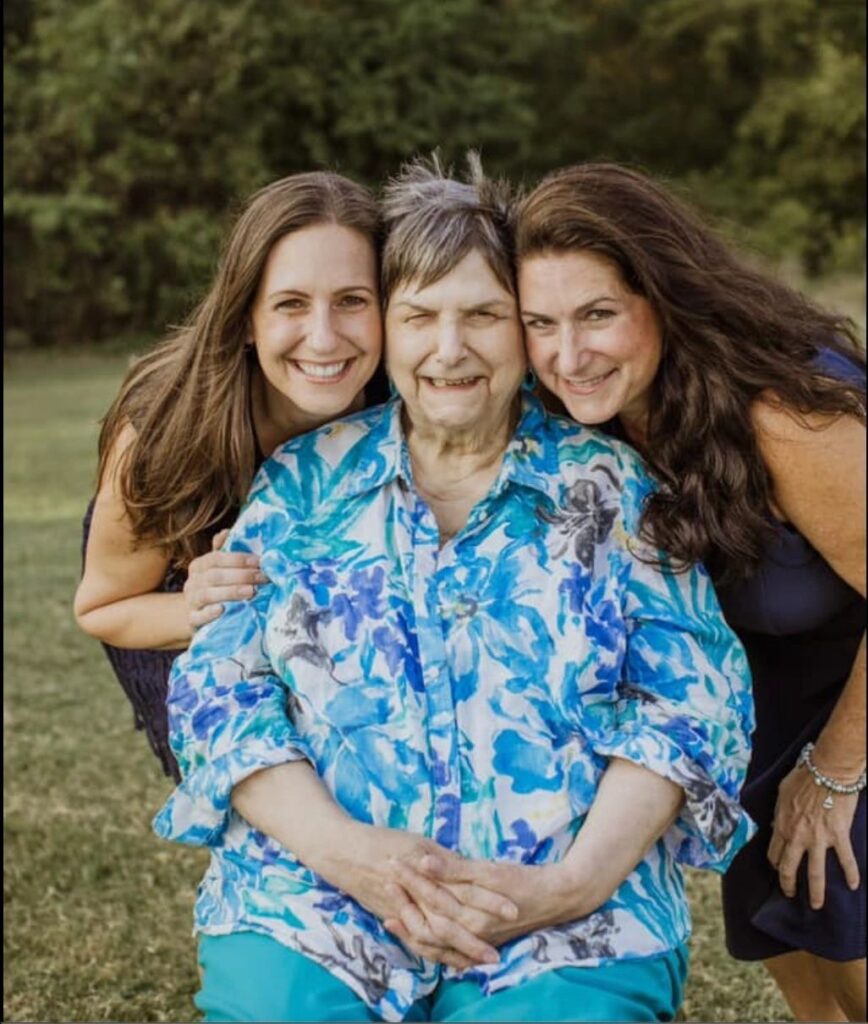
Strokes are one of the leading causes of disability and death, particularly among seniors. However, with early recognition and timely treatment, the outcome can improve greatly. Having had personal experience with my mother. She experienced Wallenberg Syndrome Stroke (Brain Stem) which affected all her autonomic system functions, balance, vision, and paralyzed a vocal cord. Her treatment and recovery required three surgeries in addition to three months of speech, occupational, and physical therapy in an inpatient rehabilitation facility to regain enough strength, eating/swallowing, vision, and mobility again. Even with the best care and therapy, the stroke left her with ongoing health and balance issues. She managed well for years with assistance until a fall eventually led to her deciding to welcome hospice and palliative care, where our family lovingly helped her transition. For obvious reasons, this topic hits home. Having walked this journey with my mom it compels me to continue to educate and raise awareness where I can. In this blog we will look at the warning signs of a stroke, available treatment options, and the support systems that can aid in recovery for seniors.
What is a Stroke?
The National Institute of Neurological Disorders and Stroke (NINS) points out that strokes are the fifth leading cause of death in the United States and the most common cause of disability in adults. A stroke happens when a part of the brain is blocked off from blood flow or when a blood vessel in the brain bursts causing the brain cells to be deprived of oxygen. Stroke is due to a clot (ischemic stroke) or when a blood vessel in the brain bursts (hemorrhagic stroke). Often impacting ones physical and mental functions. Quick medical intervention is crucial in minimizing damage and improving recovery outcomes.
Warning Signs of a Stroke
The CDC stresses the importance of recognizing the symptoms of a stroke early as it can make all the difference. Use the acronym FAST to remember the common warning signs to look for and seek treatment immediately:
F – Face Drooping: Face drooping or feeling numb on one side. A good test is to ask the person to smile. If the smile is uneven, then seek medical help.
A – Arm Weakness: Numb or weak feeling in one arm. Ask them to raise both arms. Look to see if one side drifts downward, then it is a warning sign.
S – Speech Difficulty: Slurred or unclear speech, or the person may be unable to speak. Have them to repeat a simple sentence.
T – Time to Call 911: Call 911 immediately if someone shows any of these symptoms. Even if the symptoms seem to disappear.
Additional symptoms can include:
- Sudden confusion
- Trouble seeing out of one eye
- Severe headache without cause
- Difficulty walking or maintaining balance.
It is critical not to ignore these signs or wait for symptoms to improve as early intervention is critical for best outcomes and recovery. Note the time symptoms started, as it can aid the doctors in determining the best treatment options.
Types and Treatment Options for Stroke
There are three common types of strokes with treatment options depending on the type and severity of the stroke according to a Healthline article and the CDC. Doctors may refer to subtypes of stoke types depending on what causes the stroke, where in the brain the stroke is impacting, and which blood vessels are involved. Here is a breakdown of the most common strokes and treatment:
Ischemic Stroke Treatments
- Clot-Busting Medication: A tissue plasminogen activator (tPA) medication can be administered within 3 hours of symptom onset to dissolve the clot.
- Endovascular Procedures: Mechanical thrombectomy involves inserting a catheter through the groin to reach and remove the clot. It is effective for large clots, even up to 24 hours after symptoms begin.
Hemorrhagic Stroke Treatments
- Surgical Interventions: Surgery can be performed to repair the damaged blood vessel or to relieve pressure in the brain caused by bleeding.
- Medications: Drugs that lower blood pressure or counteract blood-thinning medications may be administered to manage the bleeding.
Transient Ischemic Attack (TIA)
- Medical Intervention: While symptoms often go away quickly, a TIA (ministroke) is still a sign of a serious condition that needs medical attention even though there is no noticeable long-term damage.
- Medications: Medications and lifestyle changes are common recommendations for prevention of another stroke.
Rehabilitation
Stroke rehabilitation is an essential part of recovery, as it can reduce mortality rates and long-term disability, but can enhance recovery of lost skills and increased independence. Depending on the severity of the stroke, rehabilitation expectations differ. The patient’s care team may consist of: (AHA/ASA Guidelines)
- Physical Therapist: Helps with strength, balance, and coordination.
- Occupational Therapist: Aids in relearning daily activities like dressing, bathing, eating, and cooking.
- Speech Therapist: Helps with speech, comprehension, and swallowing functions.
- Social Worker/Case Manager: Helps guide patients and family to resources and support.
- Mental Health Professionals: A psychiatrist, psychologist, or counselor can help with anxiety, depression, and behaviors.
Support for Stroke Survivors and Caregivers
Recovering from a stroke can be a long journey, but there is a wealth of support and resources available:
Medical Support
- Post Care: Regular visits to a neurologist or stroke specialist help monitor progress and adjust medications as needed.
- Home Health: Skilled nurses and therapists can provide in-home or outpatient care.
Community Resources
- Stroke Support Groups: Local hospitals and senior centers often host support groups where stroke survivors and caregivers can connect with others who share similar experiences. These groups provide emotional support and practical advice.
- Online Communities: Websites like the American Stroke Association offer virtual support groups and forums.
Family and Caregiver Support
- Respite Care: Caregiving can be physically and emotionally draining. Respite care provides a much-needed break for caregivers, giving them a chance to recharge while knowing their loved one is safe.
- Counseling: Emotional well-being is crucial for both stroke survivors and their caregivers. Professional counseling can help navigate the feelings of frustration, depression, or anxiety that often accompany recovery.
Financial Support
- Medicare and Medicaid: Medicare covers certain aspects of stroke treatment and rehabilitation, including inpatient care, therapy services, and some home health care. Medicaid or other government funded programs may provide additional support depending on individual circumstances.
- Veterans’ Benefits: Veterans may qualify for additional services like in-home care, home modifications, and financial aid through the Veterans Aid and Attendance program.
Steps to Prevent Another Stroke
The Mayo Clinic shares tips to help reduce the risk of having another stroke:
- Manage Chronic Conditions: Controlling high blood pressure, diabetes, obesity, and cholesterol levels can significantly reduce stroke risk.
- Healthy Diet: A diet rich in fruits, whole grains, vegetables, and lean proteins can help maintain healthy weight, blood pressure and cholesterol levels.
- Regular Exercise: Consistent physical activity can improve cardiovascular health.
- Avoid Smoking and Excessive Alcohol: Smoking increases clot formation, and excessive alcohol is known to raise blood pressure.
- Treat Sleep Apnea (OSA): OSA is a sleep disorder that causes you to stop breathing while sleeping for short periods of time. See your doctor to decide if you need a sleep study.
Experiencing a stroke or caring for a stroke survivor can be challenging, but with the right knowledge, the latest treatments, a diligent care team, and loving support, recovery is possible. Recognizing the warning signs, seeking immediate medical attention, and taking advantage of available resources can lead to a better quality of life post-stroke. Remember, FAST, acting quickly is crucial, and that support is available—you are not alone in this journey.
Britt Hemsell
Senior Living Advisor/Blog Contributor


